


When it comes to emergency preparedness, it’s easy to feel a burst of excitement. Taking action feels empowering — and that’s a good thing.
As we head into the New Year, this is the perfect time to organize what you already have and make sure your basics are covered — without buying more or getting overwhelmed.
What Emergency Preparedness Really Means
Emergency preparedness is not about living in fear or expecting disaster every day.
At its core, it means:
-
Being able to care for yourself and your family for a short period of time
-
Having basic supplies and a simple plan
-
Reducing panic by knowing what to do next
Most emergencies are not movie-level disasters. There are things like:
Preparedness is about resilience, not perfection.
Start With the First 72 Hours
If you’re overwhelmed, focus on just one goal:
Be able to handle the first 72 hours of an emergency.
Why 72 hours?
-
It’s the most common recommendation from emergency agencies
-
It covers most short-term disruptions
-
It’s achievable without major lifestyle changes
You do not need to prepare for months or years right now. Three days is a solid, realistic starting point.
Cover the Four Core Needs
Emergency preparedness basics come down to four essentials:

1. Water
-
Plan for 1 gallon per person per day
-
A water bottle for each family member, use water bottles to track how much you are drinking, useful to ration water if needed, cuts down on disposable water bottle trash
-
Include water for pets
-
Don’t forget water for basic hygiene if possible, supplies like dry shampoo and baby wipes can help preserve precious water
Even a brief disruption can make access to water difficult, so this is the most important place to start.

———————
2. Food

Think simple:
-
Canned soup
-
Protein bars
-
Peanut butter
-
Shelf-stable meals
This is not the time to buy unfamiliar food or expensive specialty items.
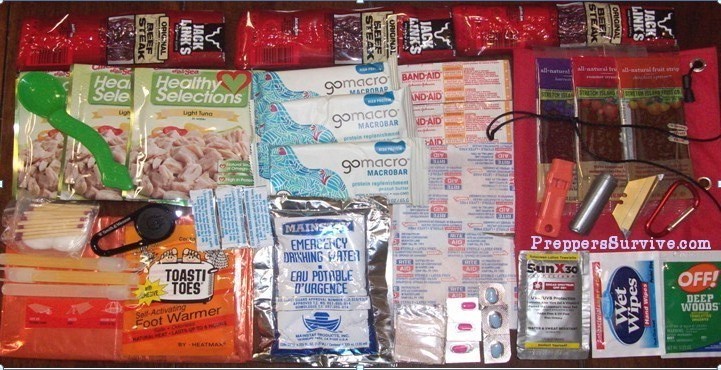
———————

3. Light & Power
Light and information go a long way toward reducing anxiety during emergencies. A helpful tip is to use the same battery size for all your emergency supplies. In the above power kit: radio, headlamp, flashlights all use AA batteries.
———————
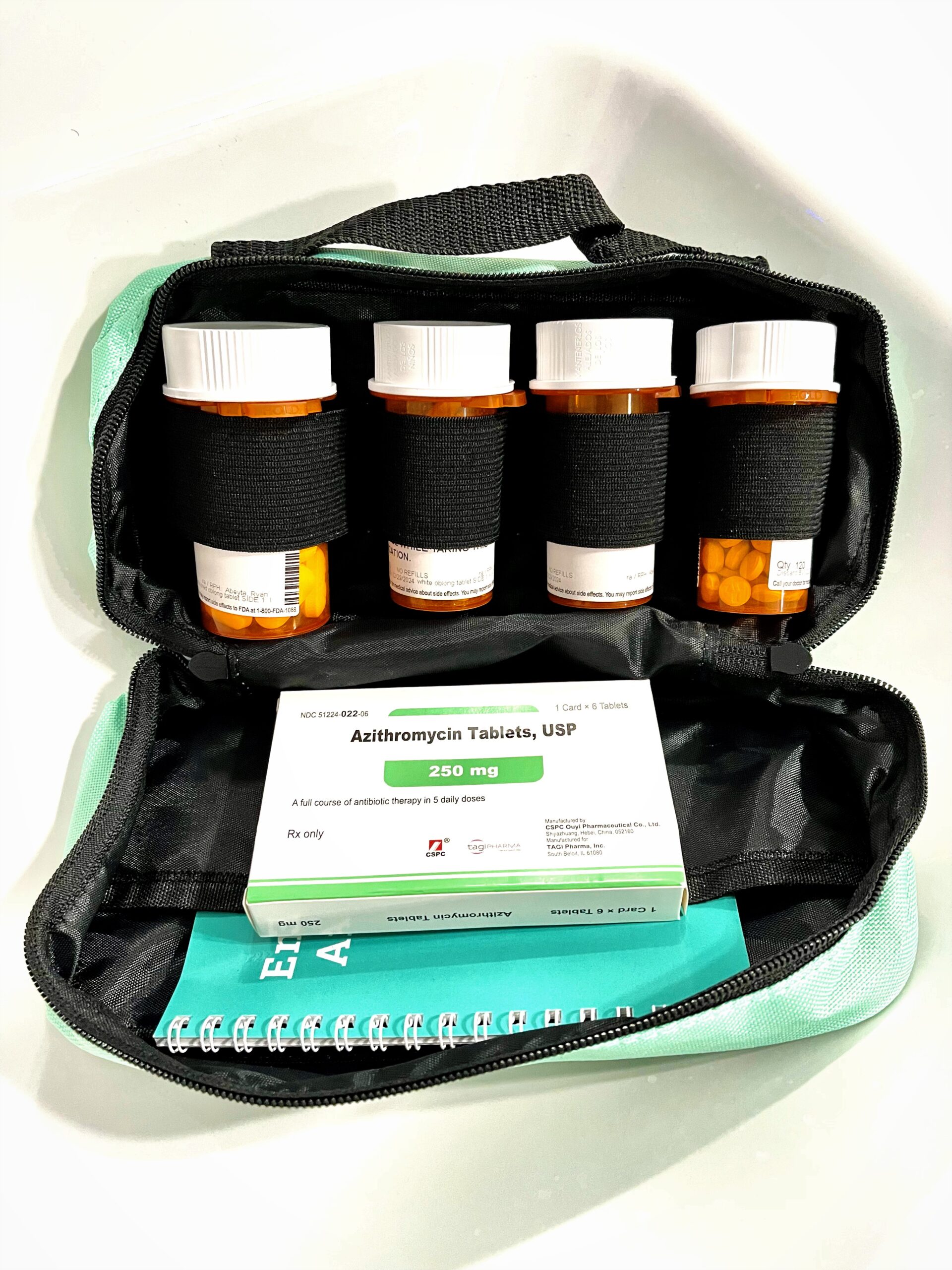
4. Safety & Basics
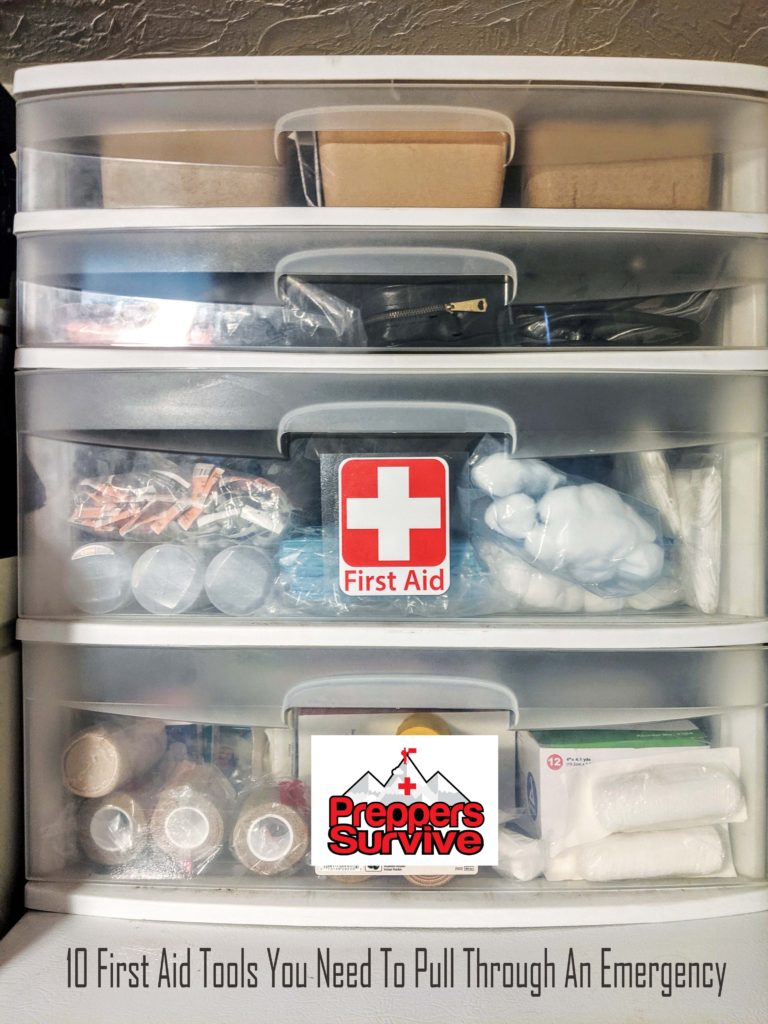
You don’t need a medical warehouse—just enough to get through a short disruption safely.
A Simple Way to Get Started Today
Free Download: 72-Hour Emergency Bugout Checklist
This simple checklist walks you through exactly what to prepare for the first 72 hours of an emergency—without panic or overwhelm.
👉 Check out our Bugout Bag checklist
When You’re Ready for the Next Step
Once the basics are covered, many people find it helpful to have everything organized in one place.
Feeling Overwhelmed by Emergency Prep?
The Beginner Prepper Starter Bundle brings together practical checklists and planners so you can prepare calmly and confidently—one step at a time.
Final Thought
Emergency preparedness is not about fear. It’s about peace of mind.
You don’t need to be perfectly prepared; you just need to be more prepared than yesterday.
Start small, stay consistent, and build from there.
Thanks for visiting Preppers Survive. Before you leave, subscribe to our newsletter. If you enjoyed this article, Emergency Preparedness Basics: Where to Start When You’re Overwhelmed, please share it with a friend.






Leave a Comment