


Martial arts is much more than just punching and kicking—it transforms lives in ways many don’t expect. Students often come seeking self-defense skills but leave with confidence, discipline, and resilience that impact every part of their lives. Beyond physical techniques, training improves cardiovascular health, core strength, and overall fitness. At our studio, we see students gain better fitness, sharper focus, stronger friendships, and a renewed sense of purpose. Regular practice supports weight loss and strength training, contributing to overall well-being. The physical skills developed are just the beginning of a deeper transformation.
Core Definition: What Is Martial Arts and Where Does It Come From
What Is Martial Arts
It is a system of combat and self-defense practiced for both physical activity and mental development. It teaches purposeful, controlled movement through techniques such as punching, kicking, and blocking. But it also instills discipline, respect, and the ability to stay calm under pressure. The term derives from the Latin “Mars,” the Roman god of war, combined with “arts,” meaning skills developed through practice. Different cultures have created unique styles based on their values and needs, but all share the goal of improving both body and mind. Read more here.
Martial Arts history spans thousands of years and many countries. Ancient warriors developed fighting techniques to protect themselves and their communities. Distinct systems emerged in China, Japan, Korea, and other Asian nations, alongside ancient combat sports like boxing and wrestling. Over time, striking and grappling techniques evolved, leading to modern Mixed Martial Arts (MMA), which blends elements from various traditions, including styles like Wing Chun. Traditional martial arts preserve ancient techniques and cultural values, emphasizing character development alongside physical skills. Modern approaches often adapt techniques for sport or fitness, sometimes blending traditional and contemporary methods.
Benefits & Purpose: What Is Martial Arts Good For
Self-defense is a primary reason many start training. Martial arts teach awareness and practical techniques to protect oneself, often using leverage and skill to overcome larger opponents. Training builds confidence and teaches when to avoid or engage in conflict, making responses natural and effective. Martial arts provide a full-body workout that improves strength, flexibility, endurance, coordination, and balance. Regular practice challenges the body in diverse ways, leading to better health and increased energy. Training builds mental strength by teaching perseverance and focus. Practicing mindfulness during sessions reduces anxiety and improves emotional well-being. Martial arts cultivate discipline that helps manage stress and enhances overall mental health.
People start martial arts for various reasons—self-defense, fitness, or personal growth. Many find benefits beyond their expectations, including discipline, friendships, and a sense of belonging. Training offers life lessons that enrich personal development and create a lifelong passion. Martial arts are also a powerful art form blending discipline, creativity, and self-expression. Styles like Kung Fu, Taekwondo, and Karate emphasize forms and movements that are both effective and visually striking. Movies, featuring legends like Bruce Lee, have popularized this artistic aspect worldwide. Practicing martial arts fosters spiritual development and a deep connection to centuries-old traditions.
Getting Started With Martial Arts
Starting is easier than you think. Decide to learn, then research local schools. Visit our school, watch classes, and talk with instructors. Most offer trial sessions so you can experience training firsthand. Beginners learn basic movements and principles. Progress comes with consistent practice, not natural talent. Expect to make mistakes and grow steadily under patient guidance.
Your first class usually starts with a warm-up and introduction to simple techniques. The environment should be welcoming and supportive, with fellow students understanding your beginner status. The right school matters more than the style. Visit during classes to observe the atmosphere and instructor interaction. A good school fosters respect, patience, and a positive environment where everyone feels welcome. Full contact training involves executing techniques with real force, often with minimal protective gear. It’s common in styles like Kyokushin Karate, Brazilian Jiu-Jitsu, and Muay Thai, preparing students for realistic self-defense situations. Safety, technique, and respect are essential. This intense training builds strength, endurance, and confidence.
Comparison & Choice: Martial Arts vs Other Activities
Martial arts allow individual progress at your own pace, teaching personal responsibility. Unlike team sports, you control your development, fostering self-reliance. Traditional styles emphasize lifelong learning and character, while sport-focused styles highlight competition. Both paths offer valuable lessons. There are many styles worldwide. Karate focuses on powerful strikes, Taekwondo on fast, high kicks, judo on throws and grappling, Brazilian Jiu-Jitsu on ground fighting, and Muay Thai on clinch work and strikes. Each style offers unique strengths and approaches.
Testing and competition help track progress and motivate growth. Belt systems mark advancement, requiring demonstration of techniques and forms. Competitions, including mixed martial arts events, challenge physical fitness and skill. Some styles emphasize control, others full contact. Both foster resilience and appreciation for the arts.
Common Questions
- Is Martial Arts Safe?
- Yes, when taught by qualified instructors emphasizing safety and control.
- Does It Make People Aggressive?
- No, training promotes self-control, respect, and calmness.
- How Often Should Beginners Train?
- Two to three times a week is ideal for steady progress without overtraining.
- What to Wear?
- Comfortable athletic clothing is fine for beginners; uniforms may be provided later.
- Does Martial Arts Improve Confidence and Focus?
- Yes, through skill development, goal setting, and mindfulness practice.
- What Is Martial Arts Culture Like?
- A positive school culture encourages respect, support, and kindness, fostering growth and enjoyment.
Understanding Martial Arts Training Structure
Start Your Path Today
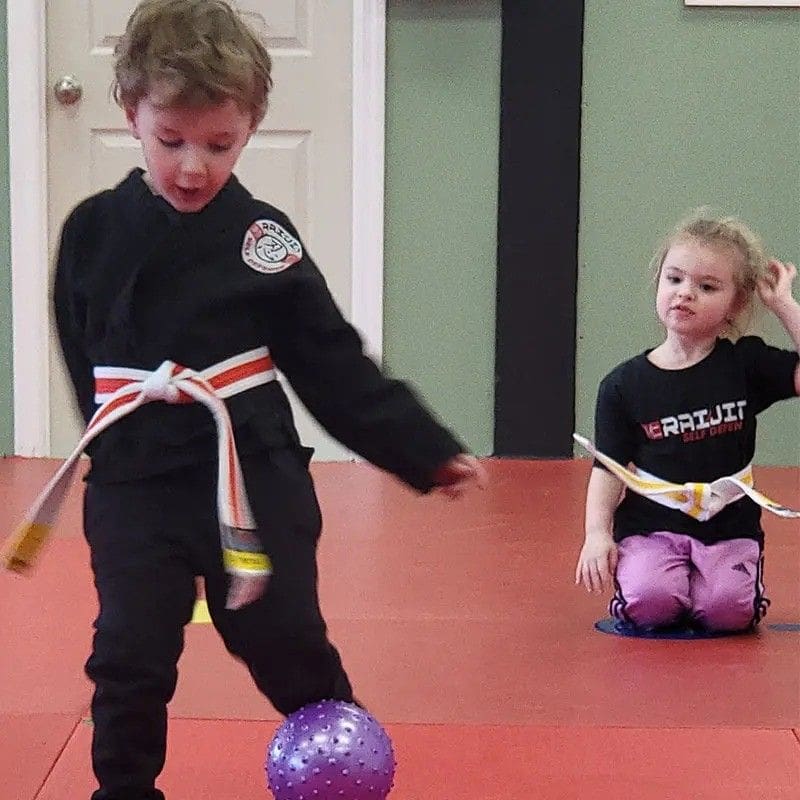
Martial arts transform lives by building physical fitness, mental strength, discipline, and confidence. Your journey begins when you decide to take action. Visit Raijin Self Defense, try a beginner class, and join a community committed to growth and excellence. We look forward to training with you and supporting your martial arts journey.





Leave a Comment